The Day the Light Went Out
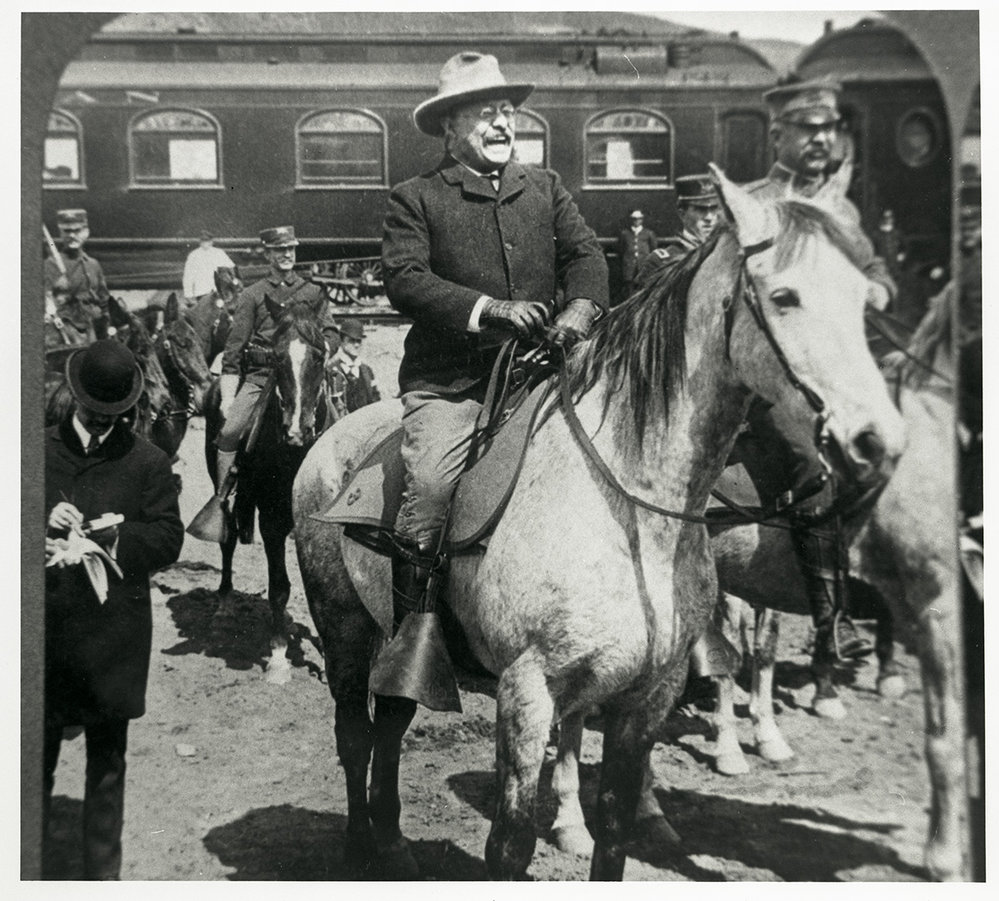
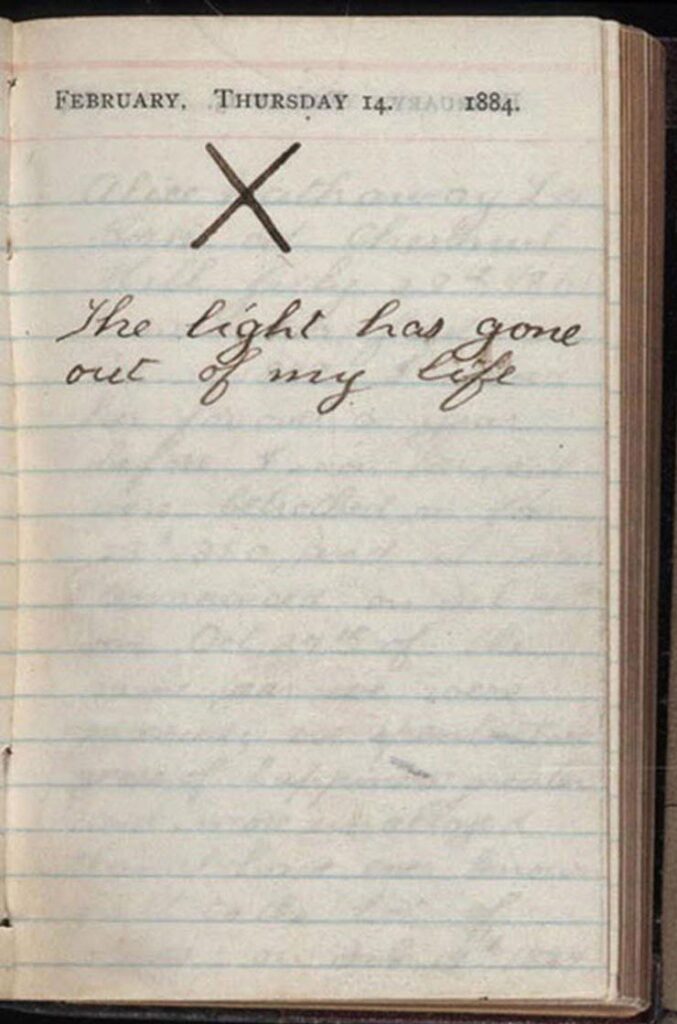
One of Theodore Roosevelt’s most devastating periods came on the day he lost his wife to childbirth and his mother to illness. Within the span of just 24 hours, at only 25 years old, two of the most important women in his life were gone. Emotionally, he was dealing with severe burnout. That same day, Roosevelt marked the event in his journal with a large “X” and wrote, “The light has gone out of my life.” He was shattered.
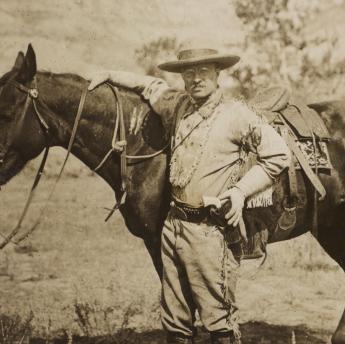
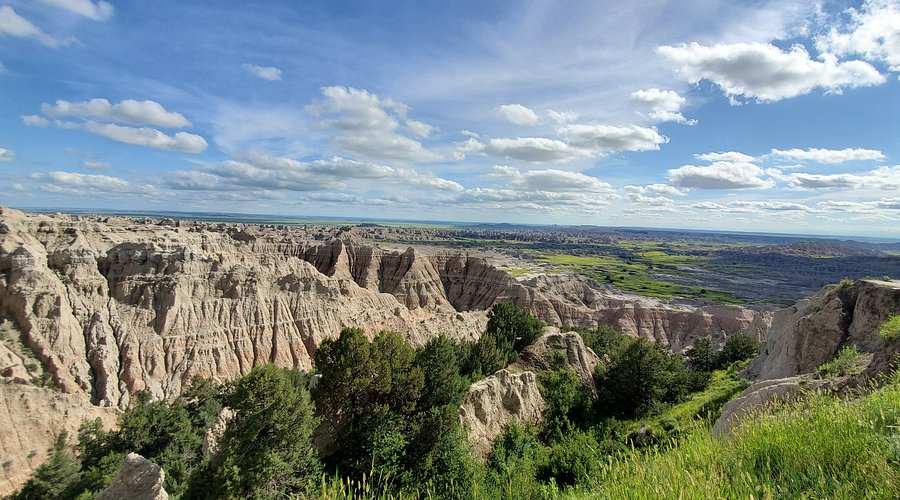
For weeks, everyone could see how withdrawn he had become. Then, one day, he packed his bags and travelled west — far away from the bustling intensity of New York City — into the wild and rugged Dakota Badlands. There, he would spend several years working as a rancher and cowboy, attempting to heal from his loss. Roosevelt didn’t go west to escape his pain. He brought it with him. What he did instead was simplify his life enough to allow his emotions to move through him without resistance.
Emotional Burnout Then and Now
Today, we live in a very different world. We don’t have vast, untouched frontiers we can flee to when life collapses. More often, we drown ourselves in social media notifications and algorithmic noise instead.
At 25, Roosevelt was dealing with burdens most of us in our twenties never have to confront. He was emotionally overloaded — grieving the love of his life and the last living parent he had left — while also enduring extreme political scrutiny within the Republican Party, the social intensity of belonging to one of New York’s most prominent aristocratic families, and the backlash from advocating reforms many considered radical.
Into the Dakota Territory
Eventually, Roosevelt left for the Dakota Territory. At that time, the Wild West was not a myth — it was real and dangerous. Cowboys rustled cattle. Native American tribes fought to protect what land they had left. Outlaws moved across the plains robbing and pillaging. It was unpredictable, harsh, and unforgiving.
Roosevelt did not leave on some romantic adventure. He left because he understood, perhaps instinctively, that if he immersed himself in a physically demanding, stripped-down life — far removed from scrutiny, status, and performance — his nervous system would have the space to recalibrate.
A Life of Physical Grounding
He worked relentlessly. Managing the ranch. Driving cattle. Spending endless hours in the saddle exploring the rugged prairie. Sleeping alone under vast, indifferent skies. Hunting. Surviving. Chasing rustlers across open land.
When he wasn’t working, he sat in his cabin reading and reflecting, surrounded by nothing but wind, weather, and silence.
No political theatre.
No aristocratic posturing.
No performance.
Just land, hardship, and reality.
The Psychology Behind the Badlands Reset
There is some very real psychology beneath this decision!
Attention Restoration Theory
Attention Restoration Theory suggests that spending time in nature — free from technological and social overstimulation — restores cognitive resources depleted by constant directed attention. Modern life demands perpetual focus: notifications, headlines, comparison, evaluation. The brain never rests.
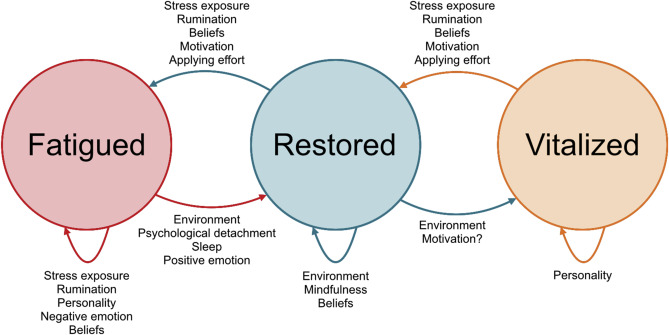
Nature offers something radically different: soft fascination. Your attention is held gently, not aggressively — the movement of grass, the shape of clouds, the sound of wind, the rhythm of walking. The mind doesn’t have to “clench” to track it.
That matters because burnout isn’t only exhaustion — it’s attentional fatigue. When the mind is forced to aim itself at 50 things a day, it starts to fray.
And when attention is exhausted, two things often happen:
- you lose concentration
- you start ruminating more (replaying fears, regrets, “what ifs,” and old pain)
And when attention fragments, identity fragments with it. You begin to define yourself through whatever stimulus is loudest — the latest headline, the latest comparison, the latest comment. Over time, you stop inhabiting yourself and start reacting to everything around you.
Nature lowers that mental friction. The mind can settle. Stress reduces. Mental fatigue eases. Rumination — those repetitive grief and anxiety loops — begins to loosen.
Nervous System Regulation
When you physically remove yourself from the environment generating stress (and yes, that includes your phone), your nervous system shifts.
Modern burnout often keeps people in a constant low-grade fight-or-flight state — not because a tiger is chasing them, but because the mind is drowning in “social threat”: comparison, evaluation, urgency, and the feeling of always being behind.
When stimulation drops, the parasympathetic system — “rest and digest” — has room to activate. Breathing slows. Muscles unclench. Perception widens. The body exits survival mode.
Think of a deer escaping a pack of wolves. Once the threat disappears, it does not replay the chase for weeks. It returns to grazing.
Roosevelt regulated his body before he rebuilt his life.
This order matters. Most people try to rebuild their lives cognitively while their nervous systems are still in survival mode. But a dysregulated body produces a dysregulated mind. Clarity rarely arrives in chaos.
Behavioural Activation (The Quiet Bonus You Might Not Notice)
There’s another hidden psychological mechanism here: embodied action interrupts rumination.
When you’re grieving or anxious, the mind wants to loop. But the Badlands forced Roosevelt into physical engagement with reality:
- work
- movement
- responsibility
- survival demands
- competence-building
This isn’t “running away from pain.” It’s giving pain a body that can carry it.
Sometimes, healing isn’t found by thinking harder. It’s found by living simply enough that the mind stops spiraling.
Rumination feels productive because it is mental activity. But without new embodied experience, the brain simply replays old patterns. Physical engagement gives the nervous system new evidence — and new evidence is what actually reshapes belief.
Daoism and the Art of Not Forcing
Now add a layer of philosophy.
In Daoism, there is a principle called Wu Wei, often translated as “effortless action.” It does not mean laziness. It does not mean surrender. It means not forcing what cannot be forced — and not exhausting yourself trying to control what was never yours to control.
Roosevelt did not try to intellectualize his grief into submission. He did not dramatize it publicly to extract validation. He did not attempt to dominate an uncontrollable reality.
He simplified.
Life Moves in Seasons
Wu Wei recognizes that life moves in seasons. You cannot command winter to end. You can only adjust your posture to survive it.
That ties into another Daoist idea: naturalness — the sense that the healthiest life is one that returns, again and again, to what is real and uncomplicated. Less performance. Less strain. Less forcing. More alignment.
When a river floods, you do not stand in the current shouting at it to stop. You step to higher ground and let the water pass.
That is effortless action.
And in a strange way, it’s not weakness — it’s wisdom. It’s choosing not to waste your limited life-energy wrestling the inevitable.
The Modern Burnout Crisis
Burnout today may come from loss, trauma, or tragedy — but increasingly it arises from something slower and more corrosive: chronic overstimulation.

We scroll endlessly.
We consume content that adds little substance.
We compare ourselves to curated identities.
We perform versions of ourselves to remain acceptable.
The Performance Trap
In doing so, we avoid friction at the cost of authenticity.
This performance feeds status chasing and comparison. We look at someone more attractive, more successful, more confident — and feel artificial urgency. We begin to believe we are behind. Worse, we begin to believe that who we are, as we are, is insufficient.
Over time, anxiety compounds. We perform, compare, and consume — tying identity to external evaluation rather than internal alignment.

The more you perform, the more your brain scans for evaluation. The more it scans, the more threat it detects. The more threat it detects, the more exhausted you become. Burnout is often not collapse from effort — it is collapse from constant self-monitoring.
Burnout isn’t just working too hard.
It’s thinking too loudly for too long about who you believe you should be.
And the cruel part is that this form of burnout doesn’t always feel like “collapse.” Sometimes it feels like:
- numbness
- irritability
- restlessness
- brain fog
- endless low-grade dissatisfaction
A life that looks fine on the outside, but feels drained on the inside. And yeah, we all know what this feels like. Especially those who grew up with the world at out fingertips, on our phones… that’s us, Gen Z 😉
The Modern Badlands Protocol
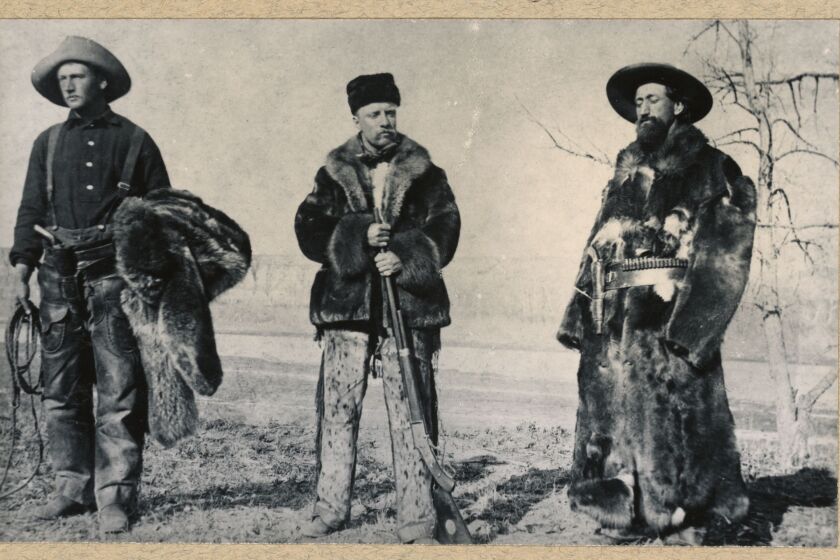
If we pivot back to Roosevelt, the lesson is not “go start a ranch in Montana,” tempting as that might sound.
It’s actually a lot simpler, one we can all apply in our day to day lives.
Reduce Your Inputs
Reduce your inputs. Slow down deliberately. Make it harder for the world to constantly reach into your mind.
Engage the Physical World
Engage physically with the world — not just socially, but naturally. Seek light. Walk in open spaces. Lift something heavy. Learn a tangible skill. Sleep without artificial noise. Spend time without performing.
Change Your Feedback Loop
Shift your feedback loop away from likes, comments, and approval — and toward physical mastery, character development, and direct engagement with reality.
He did not rebuild himself by adding more noise. He rebuilt by subtracting it.
Roosevelt did not conquer grief by overpowering it. He simplified his environment enough to let his internal storm pass through him.
Sometimes strength is not pushing harder.
Sometimes it is stepping away long enough to remember who you are without the noise.
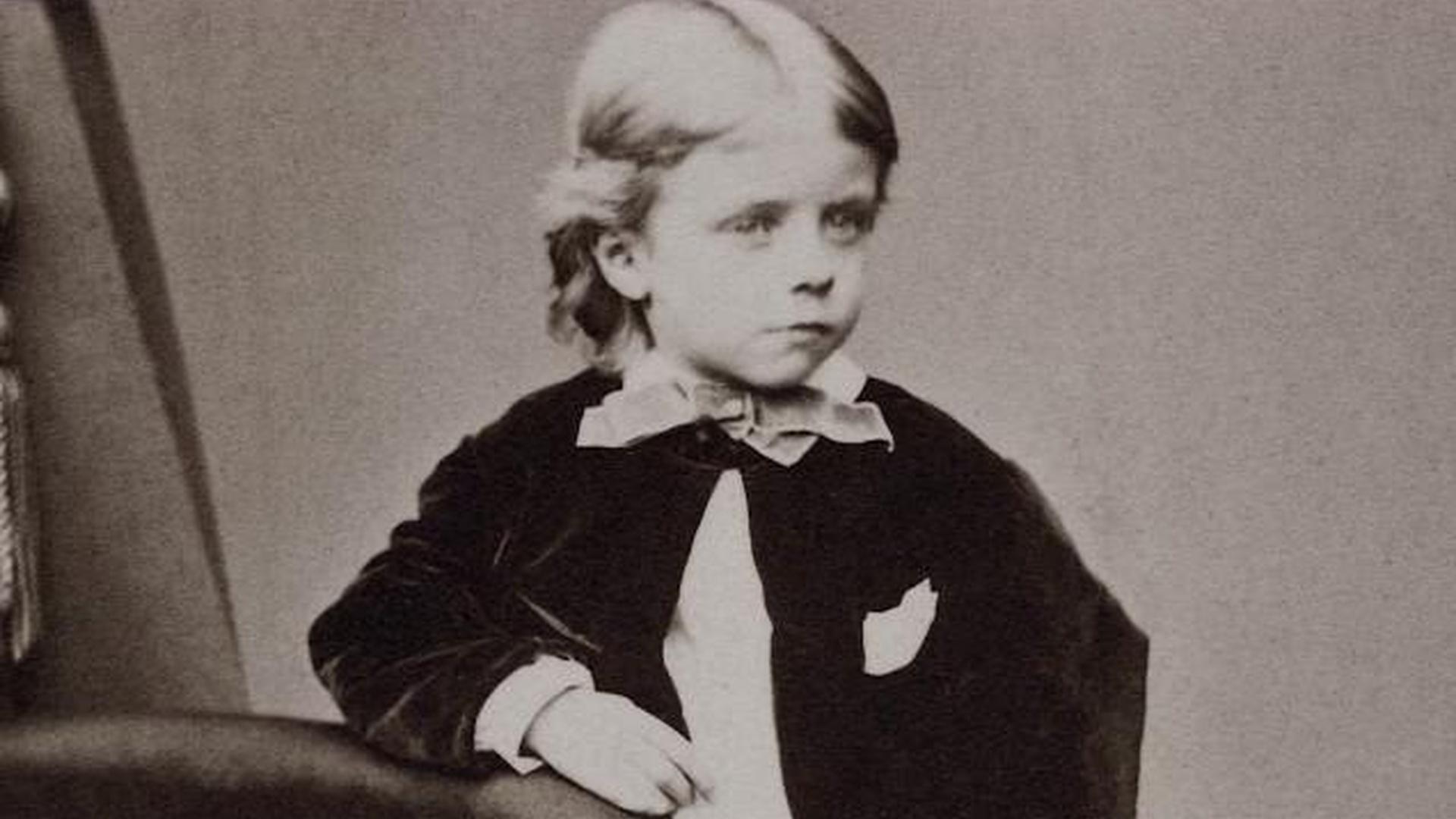
I hope you guys enjoyed this first post of integration letters! I thought Teddy was a fantastic figure to start with. Because, despite being one of America’s greatest presidents, he also struggled heavily in his youth. So this reminds us that history’s most influential figures also had no clue where they were going when they were in their twenties! In the next post, we’ll go even further back into his childhood. There, you’ll see that America’s “manliest president” was bullied harshly as a small boy.
All the best! Keep living that strenuous life 😉
– Rhys
FAQ
1) What does Theodore Roosevelt have to do with burnout?
Roosevelt’s Badlands period shows a real-world example of someone reducing stimulation, pressure, and social performance while rebuilding stability through embodied work, simplicity, and time in nature — all of which map cleanly onto modern burnout recovery principles.
2) What is “Attention Restoration Theory” in simple terms?
It’s the idea that nature helps restore mental energy depleted by constant focus. Instead of aggressive stimuli (screens, notifications, social comparison), nature offers “soft fascination” that allows the mind to recover.
3) Why does nature help with stress and anxiety?
Because reducing stimulation and social threat cues helps the nervous system shift out of fight-or-flight and into rest-and-digest. When the body calms, the mind tends to regain clarity.
4) What is Wu Wei, and how is it relevant to burnout?
Wu Wei means not forcing what cannot be forced. Instead of clenching against reality, you step into alignment with what is controllable and let what isn’t pass through like weather — which is essential when you’re overwhelmed.
5) Is burnout only caused by working too hard?
Not always. Burnout is often fueled by constant self-monitoring, comparison, and overstimulation — “thinking too loudly for too long” about who you should be, rather than living from internal alignment.
6) What is the “Modern Badlands Protocol” in one sentence?
Reduce inputs, increase embodied engagement with the physical world, and shift your feedback loop away from approval and toward reality.