The Pivot: Replacing Forcing With Presence
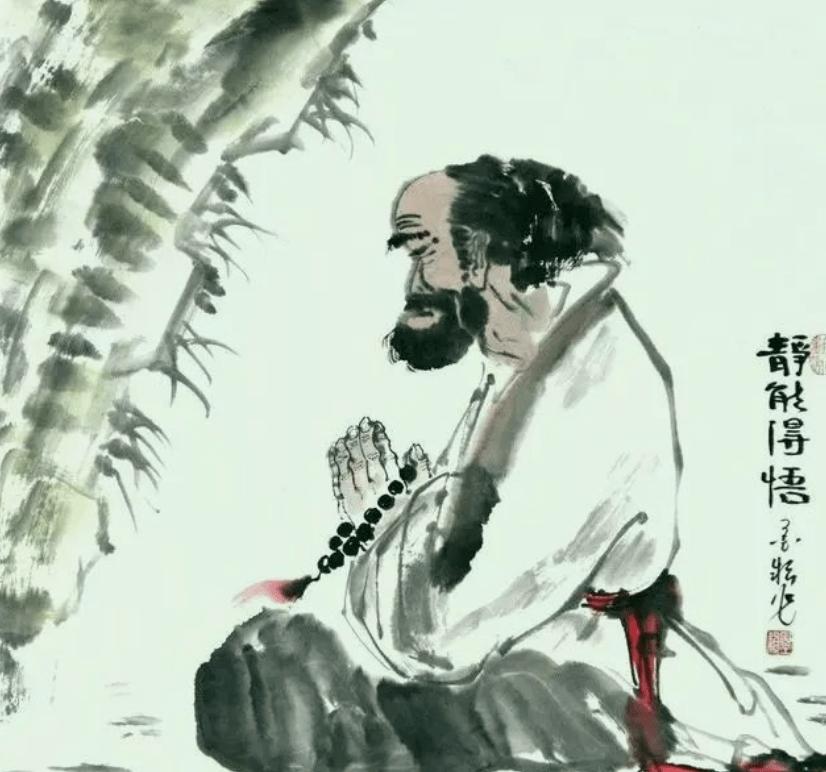
A Simple Shift (That Changes Everything)
It’s actually really simple… in theory, at least.
Start focusing on being present in whatever it is you’re doing, wherever you are. By accepting reality for what it is now, rather than ruminating on what it was, or could be. You can learn how to stop forcing in real time
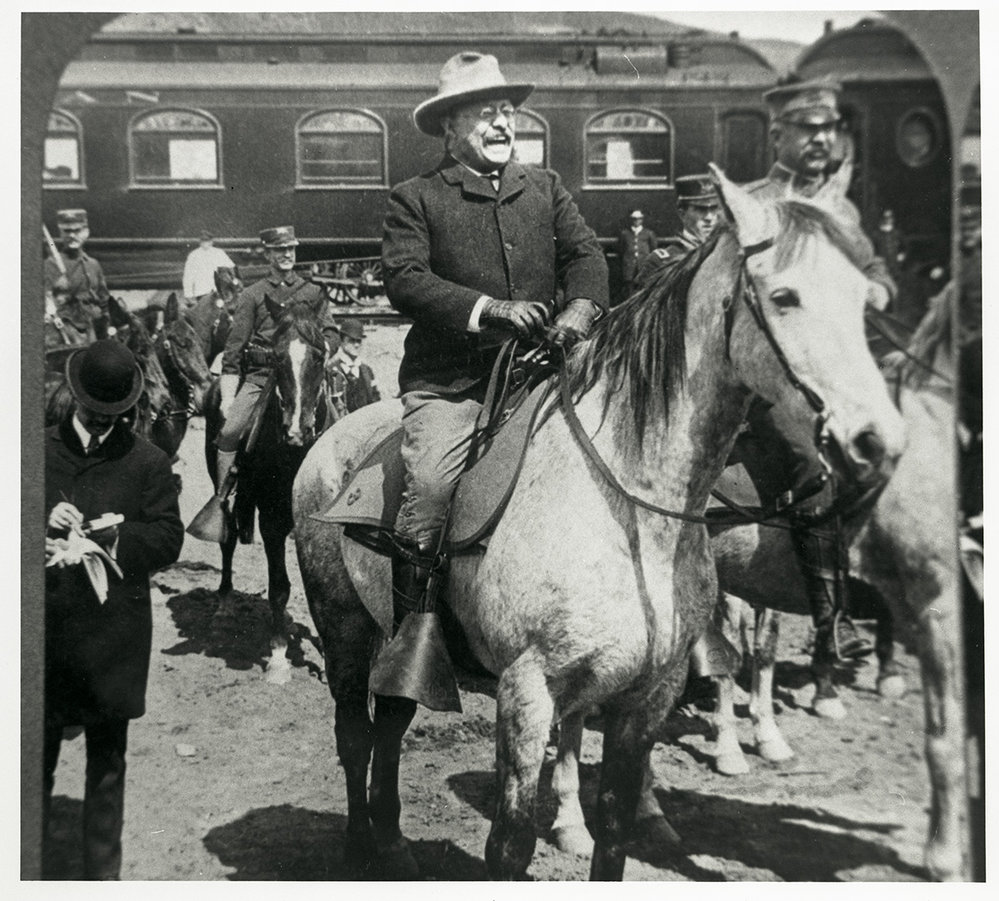
It’s a simple mindset shift, but it’s powerful. It drove not only Daoist philosophy, but even Stoicism and Buddhism. Even further, it influences modern therapeutic techniques like ACT (Acceptance and Commitment Therapy). It even influenced history’s greatest heavyweights, like Theodore Roosevelt and his acceptance of life being hard and stressful by default, which allowed him to achieve great things under immense pressure—and love it all the same. Or even Leonardo da Vinci, not constantly glued to his workbench or desk, and only working when he felt that spontaneous burst of energy, where his greatest inventions and insights came into existence.
Basically, you let go of the illusion of control by recognizing that all that matters in the moment is that you are putting in the effort and are absorbed in whatever is in front of you.
From Outcome to Process

Instead of working toward a specific outcome—which is where the forcing and stress come from—you accept where you are and move with curiosity rather than expectation.
By being fully aware of what you’re doing and how you’re feeling about it, you remove the pressure of doing it a certain way, and focus on doing it your way.
That is where true mastery comes from.
A Personal Example

The 9,000-Word Reality Check
Let me share a story you can all relate to. ESPECIALLY if you are a university student yourself 😉.
I had an archaeology portfolio due in four weeks. Which wouldn’t usually bother me. But this one was made up of three 3,000-word essays that I had to complete. That’s 9,000 words—a mini honours thesis for a second-year student. Anyway, I was so obsessed with getting every piece of criteria that the essay question and rubric laid out, wanting to outperform all my fellow students… even myself.
The Breaking Point
But then I realised something. I was very quickly going to burn out and produce really poor essays if I focused purely on “doing it right.” So I kept the criteria of the question in mind, while focusing exclusively on what I could handle in that moment. Allowing curiosity over outcome to guide my actions.
What I Did Differently
Over the next few weeks, I worked in short but intense bursts each day, after skimming and diving into the necessary sources for my essays. Because I wasn’t constantly glued to my desk, those short bursts gave me great insights. They allowed me to write in a way that was fluid and engaging, while still being logical and structured. The process itself became less about an exact result that I was aiming for, and more about what my mind was comfortable doing within the present moment. I wasn’t focused on what I forgot (the past), and I certainly wasn’t stressing about how I would perform (the future). Rather, I stayed present with the material in front of me, and I allowed my mind to go wherever it wanted to go when reading sources and writing my argument.
The Result (Without Forcing It)
I submitted my completed work. Around three weeks later, the results came out. I achieved 86% for my semester mark. Not because I was fixated on passing with flying colours… But because I accepted that it would be a lengthy process, and allowed my insights the space to grow at their own pace. That is what allowed me to finish that monstrous threesome of essays 🤣. By focusing only on what I could control in front of me, letting go of past performances and future expectations, I basically reached the peak of my potential… and the irony? I wasn’t focused on operating on BEING my best self. It came naturally by taking my mind off myself, and focused purely on what was in front of me! 😜
Closing
The Paradox You Need to Understand
This post covered a lot of why forcing is so damaging, and only one clear example of how letting go can actually help you achieve better performance and true mastery over time.
I get it.
You were probably hoping for more answers than explanations. I’ve been there. And guess what, guys and girls… that rushed expectation you feel for practical application and answers?
That’s forcing 😉
What Comes Next
But don’t worry.
While the first two posts on the art of Wu Wei, flow states, and non-forcing have focused on the how and why of where we are in the world today…
The next post will dive into even more examples, as well as practical tools and steps you can apply in your own life.
So you can move toward a state of flow and move through life as the best version of yourself—while actually enjoying the process along the way.
All the best! I’ll leave you with a quote from the wise Master Oogway from Kung Fu Panda!

FAQ — Wu Wei Pt.3: From Forcing to Flow
1. What does “being present” actually mean in practice?
Being present means focusing fully on what you’re doing in the moment, without constantly judging yourself or thinking about the outcome. It’s about experiencing the action, not managing how it looks.
2. How do I stop focusing so much on outcomes?
You don’t remove goals—you loosen your grip on them. Keep direction, but shift your attention to the process itself. The outcome becomes a byproduct, not your identity.
3. Why does letting go actually improve performance?
Because it removes anxiety and self-monitoring. When you’re not constantly evaluating yourself, your mind and body can operate more naturally, which leads to better focus and execution.
4. What’s the difference between letting go and being lazy?
Letting go still involves effort and intention. Laziness avoids action altogether. Wu Wei is about engaged action without unnecessary tension or control.
5. How can I tell when I’m “forcing” again?
You’ll feel it physically and mentally:
- Tight jaw
- Shallow breathing
- Racing thoughts
- Obsession with doing things “perfectly”
That’s the signal you’ve shifted out of presence and back into control.
6. Can this approach work in high-pressure situations like exams or work?
Yes—and often better than forcing. As your own example showed, working in focused bursts with space for insight leads to deeper understanding and stronger performance over time.