
1872: A sickly 13-year-old travels alone to Maine
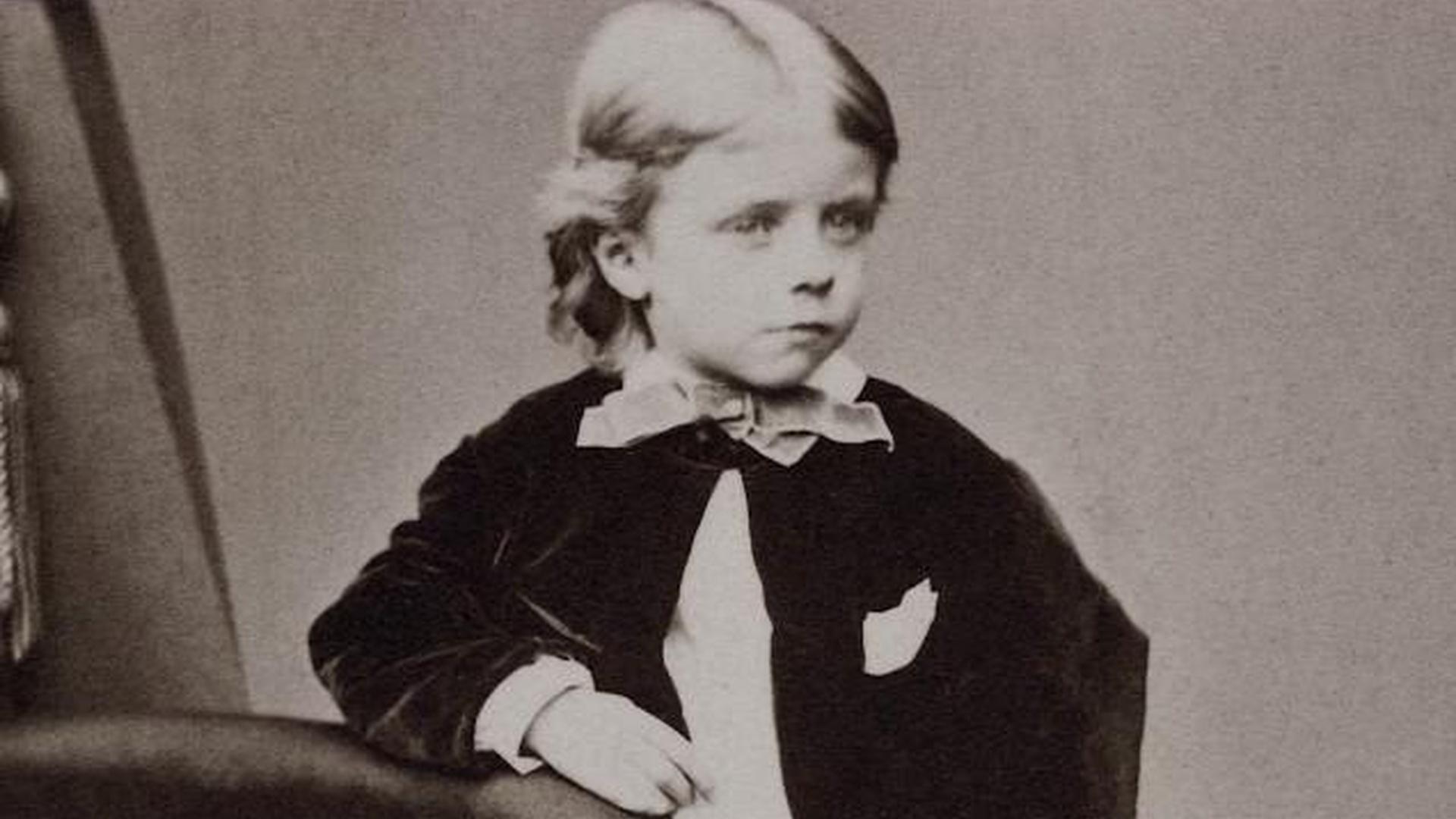
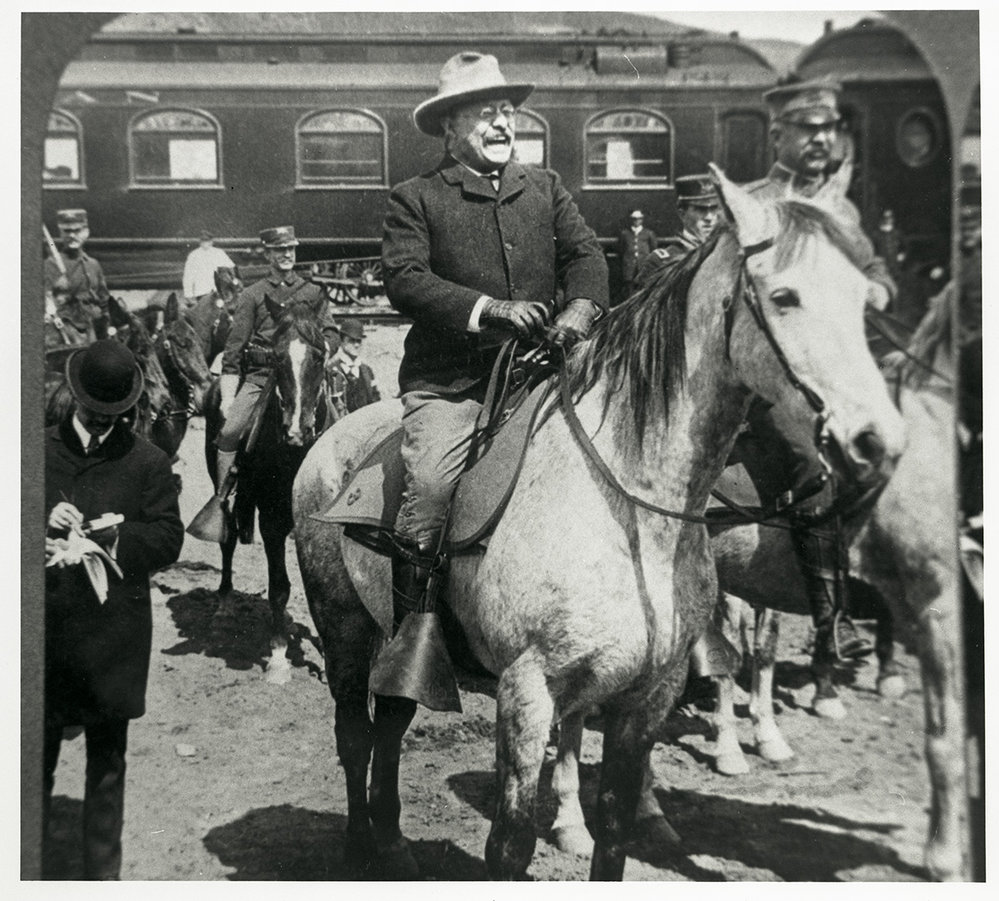
In 1872, a young Teddy Roosevelt was travelling to Moosehead Lake in Maine. The reason for this short trip wasn’t leisure; it was a necessary venture. His father sent him there to help him recover from one of his latest bouts of asthma attacks. And worse? Young Teddy was excluded by his peers,
This trip was different, however, because Teddy was travelling all on his own.
Due to his condition, he was a sickly child who wasn’t as tough or strong as the other boys his age. For the first time in his life, at the age of 13, he was alone. On this unfortunate trip, he was targeted by two boys a few years older than him, who made the following several days a living hell for the young Teddy. In this post, we are going to dive into how Americas toughest president, dealt with childhood bullying and anxiety.
“A foreordained and predestined victim”
He said these two boys quickly sniffed him out as prey, writing that they discovered he was a “foreordained and predestined victim.” This was his first taste of being socially exposed, with nobody to protect him.
They targeted him relentlessly, and Teddy did the best he could to fight back. He never gave up. However, he quickly learned that either boy alone could physically dominate him.
What was worse is that they could handle him with a sense of easy contempt, controlling him in a way that didn’t physically hurt him, but prevented him from hurting them in any way in return.
The real core of this story: bullying and anxiety
The real core of this story is this:
A man who would later be remembered as one of the most robust and masculine presidents in U.S. history couldn’t fight back against bullies when he was small.
TR described this experience — being on that stagecoach with those boys — as one of his most humiliating. So much so that he even admitted he hated himself afterward, and even as a robust and fierce grown man, saw his younger self as a “sissy,” which brought him great shame.
Social Imprinting: How Early Humiliation Shapes Adult Social Anxiety

What is social imprinting?
If we look at TR’s experience with childhood bullies through a psychological lens, we discover a psychological model called social imprinting. This is a process where one’s early life experiences, relationships, and environmental cues during critical development periods, like adolescence, can shape one’s later adult life in a variety of ways.
In this scenario, a young TR felt humiliated by the experience he had with those bullies — so much so that he saw himself as “weak” and “defective.” A child’s mind is quick to pick up patterns in their world, and it will often tell them on an instinctive level:
“This will happen again.”
Now, don’t get me wrong here. Teddy Roosevelt was a uniquely driven and individualistic man, and throughout his teenage years and early twenties, he channelled that pain into fuel to become one of modern history’s most prominent and influential figures. But that doesn’t make that pain easy — and it certainly makes it difficult to move forward.
Social Anxiety Isn’t Always a Chemical Imbalance
Modern examples of humiliation and social threat
In the modern world we live in, almost everyone experiences events like this, though to varying degrees — either once-off, occasional events, or more extreme cases of chronic abuse or bullying.
It can include things like:
- being seen as the class weirdo
- being publicly embarrassed in class or during lunch break
- being targeted for being passionate about something you love
Social anxiety isn’t always a chemical imbalance. Sometimes it can develop from repeated exposure to situations where you felt humiliated or exploited.
Cognitive Behavioural Therapy (CBT): The Anxiety Reinforcement Loop
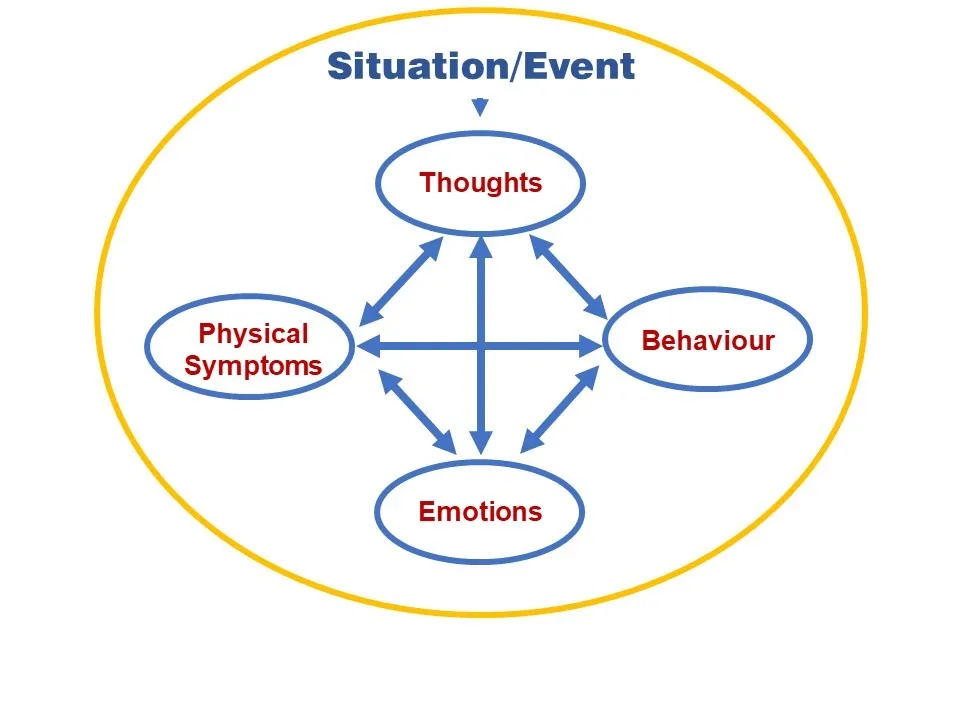
How the CBT loop keeps social anxiety alive
In psychology, there is a form of therapy called Cognitive Behavioural Therapy (CBT). Through observation and implementation of various techniques over decades, clinical psychologists have discovered that there is an unconscious behavioural loop that reinforces patterns of engagement and response with other people.
However, the cool thing about this is that with deep reflection — and confronting your own behaviour and views — you can bring this loop to light, see it clearly, and ultimately change it.
The Loop
Trigger → Thought → Feeling → Behaviour → Reinforcement
A relatable example: walking into a group conversation
Here’s a good example that I’m sure everyone can relate to.
You walk into a group conversation with colleagues or peers, wanting to be involved and feel like you’re part of the group — contributing something.
Joining this conversation alone triggers your subconscious to react. While you might not say it out loud, internally you’ll be telling yourself:
“They can tell I’m not confident.”
Then you’ll feel sensations in your body — like your heart dropping, sweaty palms, or tension in your muscles (it varies from person to person). You begin to feel anxiety and shame, like you don’t belong there and shouldn’t be there.
Then, depending on the person, you could withdraw completely and isolate yourself from the others in that group — or you could begin performing, wearing a mask of bravado and charm to hide the insecurity you truly feel deep down.
Confidence, Masks, and the Fear of Being Seen

Why even confident-looking people can feel insecure
Even the most confident-looking people are likely hiding deep-seated insecurities, masking them with charm and people-pleasing behaviours that cover their true feelings of inadequacy.
Either way — whether you withdraw or perform — you’re hiding the same thought that may have haunted you since childhood:
“If I am seen for who I am, I will be humiliated and cast out.”
If you really want to figure out how you can overcome this fear, ask yourself a simple question:
“What do I believe this anxiety or behaviour is protecting me from?”
Sure, it’s simple on the surface — but you’ll often find that digging into the why behind how you feel can be painful, and also deeply freeing, if you’re willing to go there.
Theodore Roosevelt and Identity Fusion: When Pain Becomes “Who You Are”
Let’s pivot back to Theodore Roosevelt.
His childhood experience with those boys on the stagecoach is a very real example of this. What made his situation dire for his mental health and self-belief wasn’t the event alone. Rather, it was because he fused his identity with those experiences, believing that what happened to him defined who he was when he was young.
Everyone goes through this, and most of us live it — from ex-military personnel, to people who overcame abuse from their families or school, to people who survived (or are currently going through) immense mental or physical illness. Experiencing bullying from anyone, activates similar neural pathways in our brains when we experience physical pain. Because, as a social species, we have evolved to fit into a group to survive.
A key lesson we can extract from TR’s life is that while he did have very low self-esteem as a teenager due to his experiences, he didn’t let it define his life’s trajectory. And the same can be said for you too. The question is, will you let those bullying you define your life?
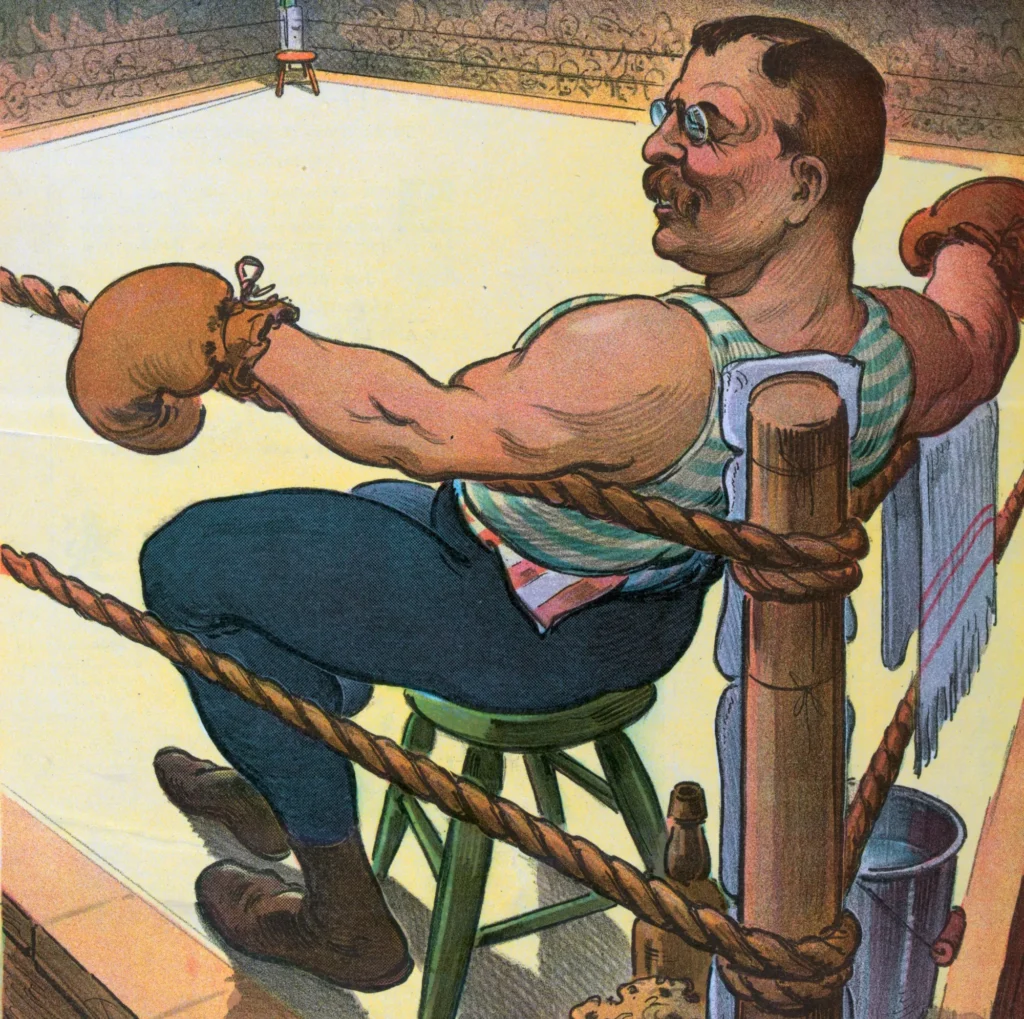
He went from being a sickly and bullied boy to becoming the youngest president in U.S. history (still to this day), and was so wild that he held boxing competitions in the White House and went skinny dipping in the Potomac River in winter.
ACT (Acceptance and Commitment Therapy): Feel Fear, Act Anyway
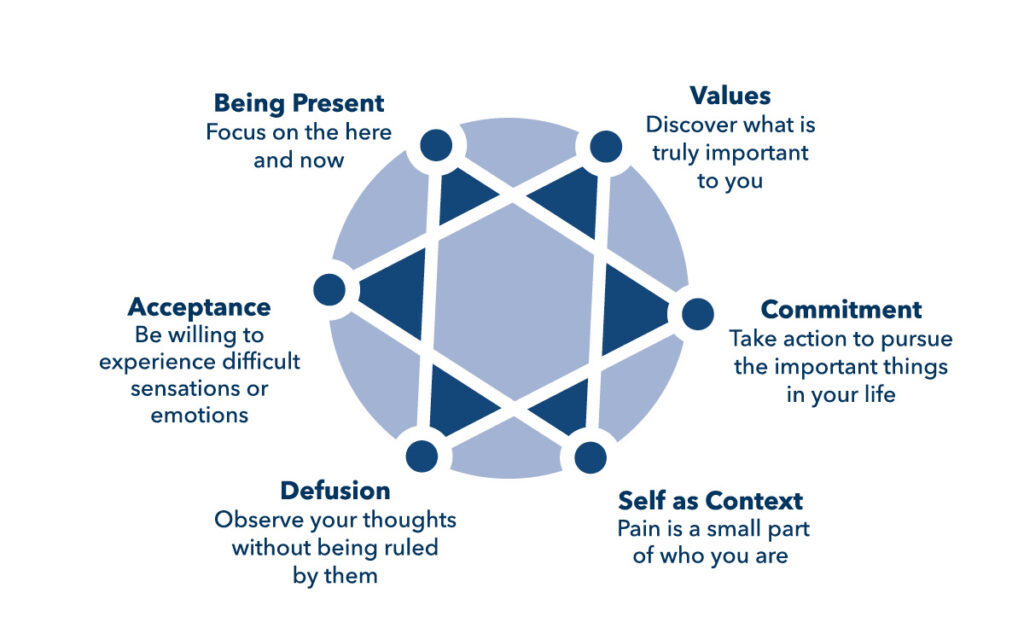
Three ACT principles that change everything
You could say he instinctively used tools that resemble a psychological strategy called Acceptance and Commitment Therapy (ACT). In simple terms, this approach can be broken down into these steps:
- You can have the thought without obeying it
- You can feel shame without making it your identity
- You can act with fear riding along
So the key part? Don’t suppress your feelings and thoughts. Those may be with you for the rest of your life. Accept their presence and act anyway — but act in accordance with your values, not what you believe about the situation.
Your mind will try to protect you by shrinking your life. It’s very simple: act anyway — not by suppressing thoughts or emotions, but by allowing space for them and moving forward anyway.
A simple diffusion technique
A very good example that I’ve used many times is reframing your thoughts from:
- “I am weak,”
to: - “I am having the feeling that I am weak.”
It’s a simple strategy, but it creates distance between you and your emotions, so you can allow them to exist while you do what you intend to do anyway.
Activity: How to Heal Your Own Moosehead Experiences in Real Life
Exposure reps to build social courage over time
The idea behind this activity is that you build your inner strength over time by combining internal reframing and acceptance tools, and then exposing yourself to small scenarios that would usually have you panicking or ruminating afterward.
Rep 1 (small)
Make eye contact + say one sentence to a stranger (cashier, gym staff).
Rep 2 (medium)
Start one conversation per day with a neutral opener.
Rep 3 (bold)
Join a group setting for 15 minutes and leave on purpose (no spiralling, no overstay).
This trains: I can enter. I can tolerate. I can exit.
The key rule: values over confidence
The key to everything you will be practicing is that you don’t aim to feel confident or perform all the time. Rather, you aim to act in line with your own values — as difficult as it gets.
Conclusion: How Childhood Bullying Can Create A Prophecy
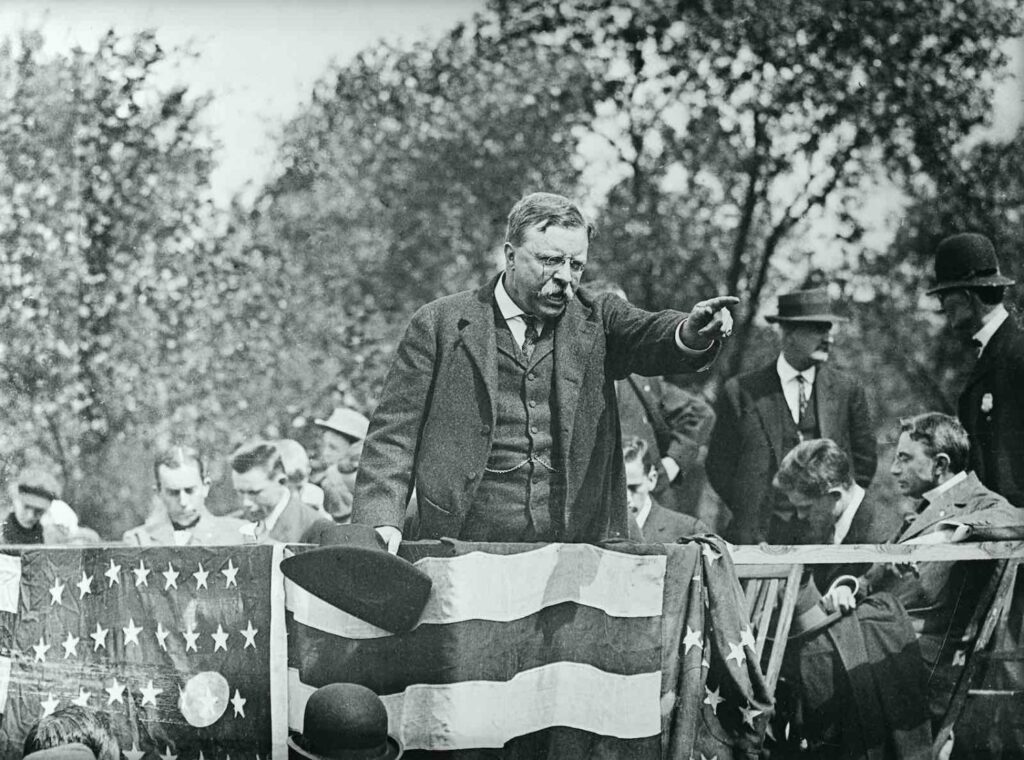
Let’s pivot back to TR to conclude this post.
His experience as a boy at Moosehead Lake didn’t prove he was weak. I mean, this boy grew up to drive the construction of the Panama Canal and lead hundreds of American soldiers into battle in Cuba.
Rather, it revealed what shame can do to a person if one lets it sink in.
The real victory is to continue trying your best, showing up every day, regardless of what happened and what others think.
The boys at Moosehead wrote a sentence in Roosevelt’s mind. The rest of his life was him deciding whether it would become a prophecy. TR decided that he would not let his experiences of childhood bullying dictate the trajectory of his life.
FAQ: Theodore Roosevelt, Bullying, and Social Anxiety
1) Was Theodore Roosevelt bullied at Moosehead Lake?
Yes. In Kathleen Dalton’s biography, Roosevelt describes being targeted by two older boys who quickly identified him as prey, calling him a “foreordained and predestined victim,” and humiliating him.
2) Can childhood bullying lead to social anxiety later in life?
It can. Repeated humiliation or social threat can teach the nervous system that social spaces are unsafe, which may lead to avoidance, shame, and anxiety around people.
3) Is social anxiety always a chemical imbalance?
No. Biology can play a role, but social anxiety can also be learned through experiences like bullying, repeated embarrassment, exclusion, or chronic social stress.
4) What is the CBT loop for social anxiety?
A common CBT model is:
Trigger → Thought → Feeling → Behaviour → Reinforcement
Example: entering a group → “They’ll judge me” → anxiety/shame → withdraw or perform → “See, I don’t belong.”
5) How does ACT help with social anxiety?
ACT teaches you to make room for anxiety, defuse from painful thoughts, and act according to values instead of fear. The goal isn’t to erase anxiety—it’s to stop letting it shrink your life.
6) What’s the main lesson from Roosevelt’s Moosehead experience?
Humiliation can write a sentence in your mind about who you are—but it doesn’t have to become prophecy. Roosevelt’s life shows that identity can be rebuilt through values-based action.
Until next time, guys! Keep on living that strenuous life! 😉