Introduction
We don’t fall for healthy people. We fall for the unpredictable ones.
Even if we don’t wanna admit it to our friends and family, we live in one of the most socially volatile times in history. That’s not to say everything before the modern world was better, it certainly wasn’t 😂. We’re often surrounded by people who we call friends, but know very little about our inner worlds and what we truly want and desire from our connections.
To describe it simply, many of us confuse raw intensity, instability and chemistry, with genuine connection. We often choose friends based not on how loyal they are to us, or how much they care about us. But how we feel around them. The same with dating and romance, even more applicable here! We chase and engage with people who we are deeply attracted to. Who love bomb us, treat us with such an intense hyper-focus that we feel like they are the only people who truly understand us. Anyone in their twenties will know exactly how this feels 😂.
Believe it or not, this behavioral pattern isn’t a new one. It’s shown up countless times across recorded history. This wouldn’t be integration letters if we didn’t explore a perspective from the lens of the past 😜.
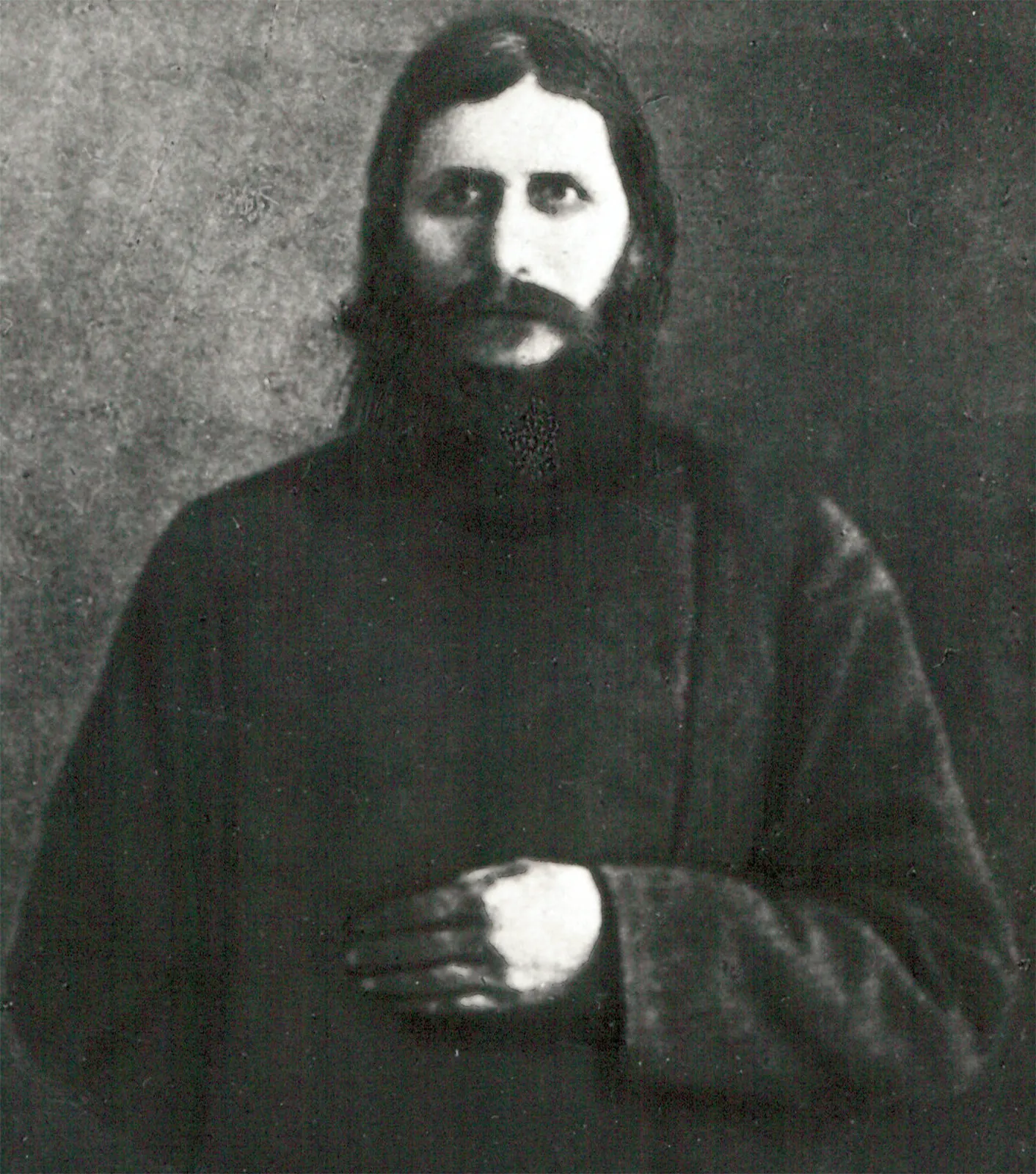
Many figures exemplify this dynamic in rather potent ways. People being drawn to those who don’t necessarily have their best interests at heart… but make them feel an incredible high of being witnessed, understood, and treated like they are special. One of history’s most famous examples didn’t live in Hollywood, Silicon Valley, or on social media. He lived in Imperial Russia. His name was Grigori Rasputin.
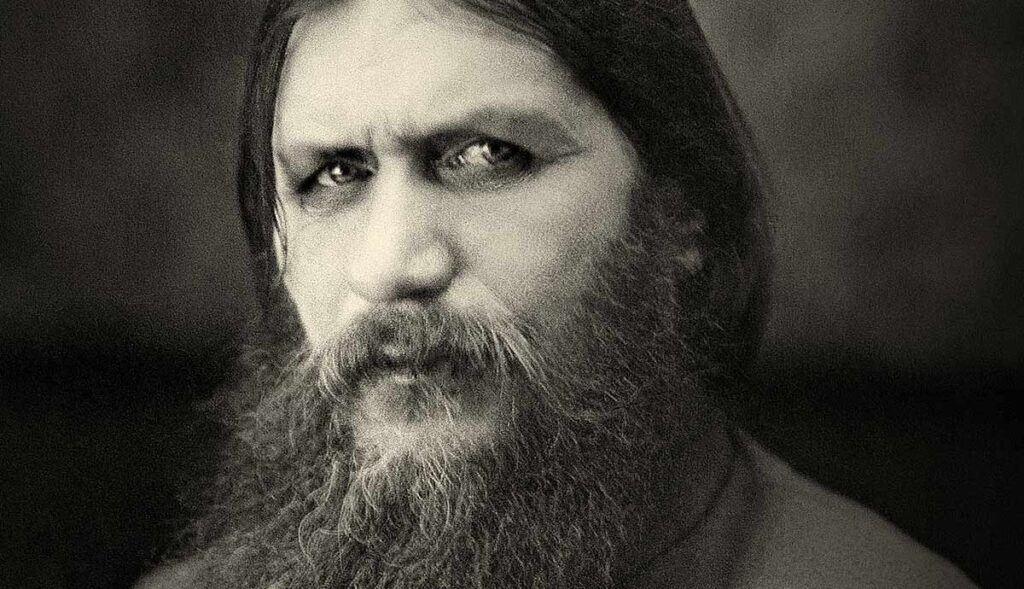
So, we’re going to take a walk through early nineteenth-century Russia, to investigate the life and impact of Rasputin, and what he can teach us about attraction, instability, and the patterns we still struggle with today.
Enter Rasputin
A Peasant from Siberia
Rasputin was born in 1869, in a tiny village in the heart of Siberia called Pokrovskoye. Russia during this time was the second largest empire in the world following the British empire. However, despite its size, Russia was drastically different to its neighbouring Western European powers in the west. While the upper classes of Russia enjoyed a lavish lifestyle, ignorant of the suffering of the average person, the average Siberian peasant lived a life of gruelling labour to prepare for and survive harsh winters that made life miserable.
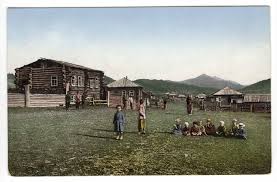
Photo of a Siberian village c. 1890 (Best I could find, sorry for the quality 😅)
Rasputin grew up knowing this peasant lifestyle very well. He’d spend his days working the local peasant farms with his peers. He tended crops, handled livestock, and worked in the fields under the guidance of his father. A gruelling lifestyle that took up most of the youth’s free time. Like the vast majority of Russian peasants in Siberia, Rasputin grew up illiterate and uneducated.
However, the young Rasputin didn’t get along with his peers easily. He was considered a nuisance by village elders, often getting into fights with other boys his age due to his unruly temper and quirky personality, making him both a target and an instigator of trouble. As a result, there’d be periods of his youth where in his free time, he didn’t spend time with his peers, but rather on his own exploring his inner world.
The Making of a Charismatic Outsider
Those who encountered Rasputin later in life often described him as carrying an unusual intensity. He was a deeply engaging, but equally unpredictable man, carrying a level of charisma that drew people in and equally confused and frightened them… an intoxicating combination that allowed him to impact every person he met, leading to his eventual rise to power in Russian high society later in his life. So much so, that he had networked his way into the royal palace of Russian royal family, the Romanovs.
The most charismatic people don’t make you focus on them. They make you focus on yourself.
Now, it’s very easy to say he could rizz up the ladies and leave a mark on every person he met 😂. But what exactly about his personality and demeanor made people drawn to him? That is what we will be exploring next, and it’s something we see amplified today in the world of social media and maneuvering…
The Real Attraction
Rasputin was… fairly unpredictable to say the least. Actually, it was one of his most defining features 😂. One minute, he would be listening intensely to whatever you had to say, understanding and validating your perspective and feelings on whatever was troubling you. The next minute? He’d make a snappy and crude comment about how the clothes you were wearing were contributing to your ill fortune. He was a deeply intense man, with many people who knew him recalling him having such a penetrating stare, that he wasn’t looking at you, he was looking into your soul and mind… and seemed to know everything about you. He gave whoever he was talking to his complete, undivided attention, making them feel so special and understood, which enhanced his social potency drastically. In fact, many found his gaze so intense, rumors began spreading about how he could dilate his pupils at will 👀. As a result, he was very difficult to understand or predict, with many he encountered becoming obsessed with his status as this holy visionary who understood more about people than they knew about themselves.
It’s very clear that Rasputin carried an air of charisma that altered whatever room he walked into.
More Than Charm
Charisma itself is often confused with being charming. Being the life of the party, everyone drawn to you like a magnet because you’re just so cool to be around. And sure, being twenty something, that can have its perks 😂. But true charisma is actually quite different, and it’s often not loud or flashy like you’d expect.
Being charismatic involves a level of social standing, yes. Often built on competence and an air of power you carry wherever you go, not necessarily tied to wealth or appearance. Truly charismatic people often have the ability to actively listen and engage with people as they are, with no distraction or judgement in their encounters. This makes them feel safe to open up to, and when you do, they often understand and mirror your desires and concerns back to you so clearly. This feels as if an exclusive, rare bond has been formed that you can never form with somebody else. Combined with an intense gaze and focus, a level of mystery combined with physical stature, even a hint of unpredictability… you’ve got a recipe for a charismatic person who can leave a mark on whoever they engage with.
The Dangerous Side of Charisma
However, while charisma itself in its kinder and altruistic form, is often deeply authentic and focused on true connection and engagement, other forms are darker and more manipulative by intention, and this was exactly where Rasputin sat on that spectrum.
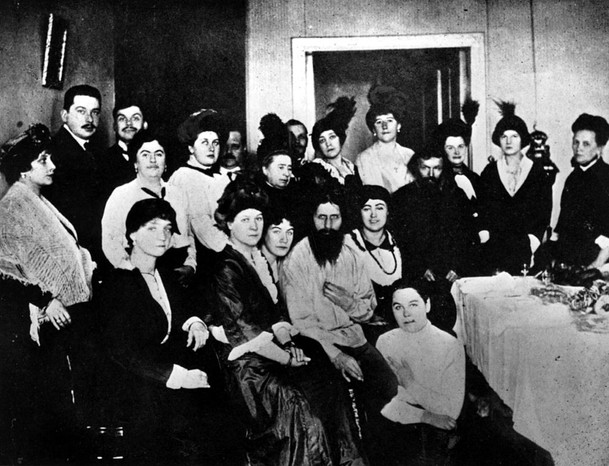
Many people mistook the way he made them feel… that intoxicating and addictive emotion he created in others, as a sign that he was a good man who had their best interests at heart. People took the way he made them feel, and projected their deepest desires and needs onto him. He became a blank canvas for whoever he was engaging with… which gave him a dangerous level of influence over others. An influence that affected the most powerful people in Russia, including most famously, the Russian Tsarina, Alexandra.
Unfortunately… this dynamic is a lot more common than we think today. Many of us believe we are immune to manipulation and coercion, but secretly hold the trauma of having been the targets of charming and manipulative people in our social groups, romantic relationships… even by those we are closest to.
The Modern Mirror
And now we pivot back to the 21st century, welcome back 😜😂.
Rasputin is a very rare and potent historical example of how intoxicating these traits can be, and how many of us have fallen victim to them in either subtle or more sinister ways.
Why We Chase Unpredictable People
Let me ask you a few questions…
Have you ever wanted to be near someone more after they pulled away?
Have you ever felt more invested because someone became unpredictable?
Have you ever confused someone else’s instability and impulsive behaviour as passion or chemistry?
Yeah… I think any person with decent social exposure can answer yes to those questions, particularly in romantic contexts 😂.
You likely met someone new, you found them attractive in some way, or at least became curious about them. They would send you dozens of texts, planning future dates with you, engaging in deep conversation one day… only for them to go silent and respond to your texts with curt one-word answers. When they reach out when something is convenient for them, or expecting you to be available on a whim, while not holding themselves to the same standards with regard to your expectations. Becoming physically or emotionally distant after a moment of deep connection, vulnerability, or sexual intimacy. The list goes on and on…
The Slot Machine Effect
This pattern of hot and cold behavior, inconsistent communication and emotional whiplash, we logically know is unhealthy and obvious red flags for a destructive dynamic. Yet we engage nonetheless..
Why? Psychologists have studied this behavior and its effects for decades… and this kind of unpredictability coming from a person we desire or view in high esteem, triggers the same neural pathways in our brains that slot machines do. It keeps us attached to people who we know are not good for us, but rationalize their behavior on an emotional level because it leaves us in a state of adrenaline-induced anxiety mixed with the dopamine fueled highs of their attention.
Now this isn’t a judgment of anyone reading this who has gone through situations like this. Because truthfully? We all have. Many of us would like to think we are immune to manipulation or instability. But we’re not. As humans, we’re social creatures, and oftentimes we just want to connect.. even if some connections are just as dangerous as they are intoxicating.
Rasputin’s effects on the women around him wasn’t a unique trait to him. He was simply a larger version of a pattern we see again and again today.
The Lesson
A key lesson we can learn from this post, isn’t so much a psychological tool for analysis we can use on every person who affects us emotionally 😂. It’s a lot simpler, something you can carry around whenever you engage with anyone who makes you want to drop your boundaries instantly… it’s that…
1.  Intensity is easy to fake. Character is not.
2.  Unpredictability creates excitement. It does not create trust.
3.  Emotional chaos feels powerful. Healthy connection lasts longer.
That many of the people we desire the most, chase the affection and attention of, and obsess over on a day-to-day basis are not healthy. They are simply stimulating.
And that distinction? It can change everything!
Until Next Time
Now don’t think we’re done with Rasputin and his mystical effect on people yet 😜. He is the poster boy of a case study on addiction, toxic charisma, manipulation, and a lack of boundaries that we can use to map the many issues we as a society face today. Whether you’re a 21-year-old university student dealing with a toxic relationship. Or a 55 year old professional reflecting on where they could’ve done better in your relationships…
Rasputin didn’t rise because he mastered himself. He rose because others mistook his instability for depth. And that mistake is still being made today.
Now enough doom and gloom, there’s more wisdom in store in Rasputin’s story we can excavate 😅. In the next few posts in this Rasputin series, we’ll be diving into themes of intermittent reinforcement, trauma bonding, emotional dependency, and more psychological patterns that affect our day-to-day life…
All the best everyone! Until next time 😉
FAQ’s
Why are unpredictable people often more attractive?
Unpredictable people can trigger strong emotional responses because we never quite know what to expect from them. This uncertainty creates anticipation and excitement, which many people mistakenly interpret as chemistry or deep connection. While unpredictability can feel thrilling, it is not necessarily a sign of compatibility or emotional health.
⸻
Was Rasputin really charismatic?
By most historical accounts, yes. Many people who met Rasputin described him as intensely engaging, emotionally perceptive, and difficult to ignore. His ability to make people feel seen and understood helped him gain influence over everyone from peasants to members of the Russian royal family. However, charisma itself is neither good nor bad. It depends entirely on how it is used.
⸻
What is the difference between charisma and manipulation?
Charisma is the ability to engage and influence others through presence, communication, and connection. Manipulation occurs when that influence is used to control, deceive, or exploit people for personal gain. While charismatic people can be trustworthy and authentic, manipulative individuals often use charisma as a tool to bypass boundaries and gain power over others.
⸻
Why do healthy relationships sometimes feel boring at first?
Healthy relationships often lack the emotional highs and lows that accompany unstable dynamics. Consistency, reliability, and emotional security can feel less exciting than unpredictability, especially for people who are accustomed to chaos or emotional volatility. Over time, however, healthy relationships tend to produce greater trust, stability, and satisfaction.
⸻
What can Rasputin teach us about modern relationships?
Rasputin’s story reminds us that the people who make us feel the strongest emotions are not always the people who are best for us. His life highlights how charisma, unpredictability, and emotional intensity can be mistaken for wisdom, depth, or genuine care. Understanding these patterns can help us make healthier choices in friendships, dating, and relationships.